

Why does this happen?
Every hair follicle follows its own growth cycle. During chemotherapy, actively growing hair is particularly sensitive to the effects of treatment.
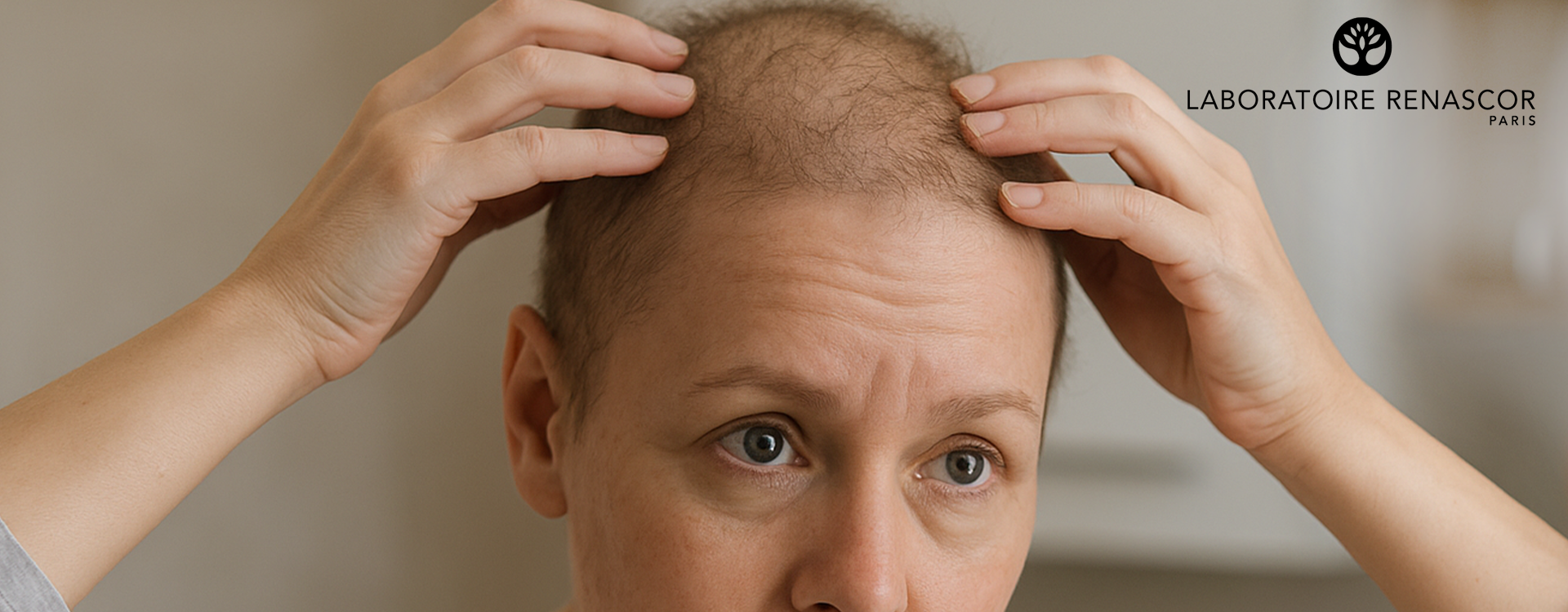
After treatment ends, the follicles gradually return to the active growth phase, known as anagen. However, this does not happen simultaneously: some follicles begin producing new hair earlier, while others need more time.
This is why regrowth may appear patchy or uneven.
Why do the temples recover more slowly?
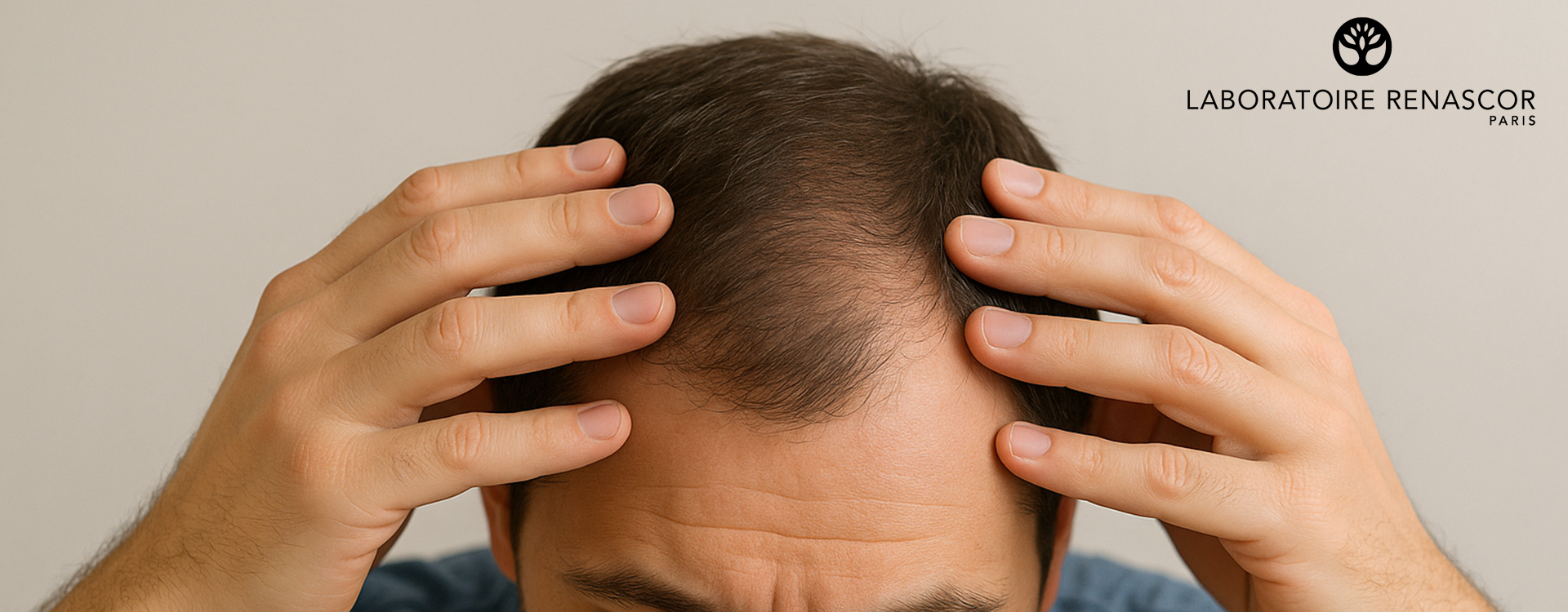
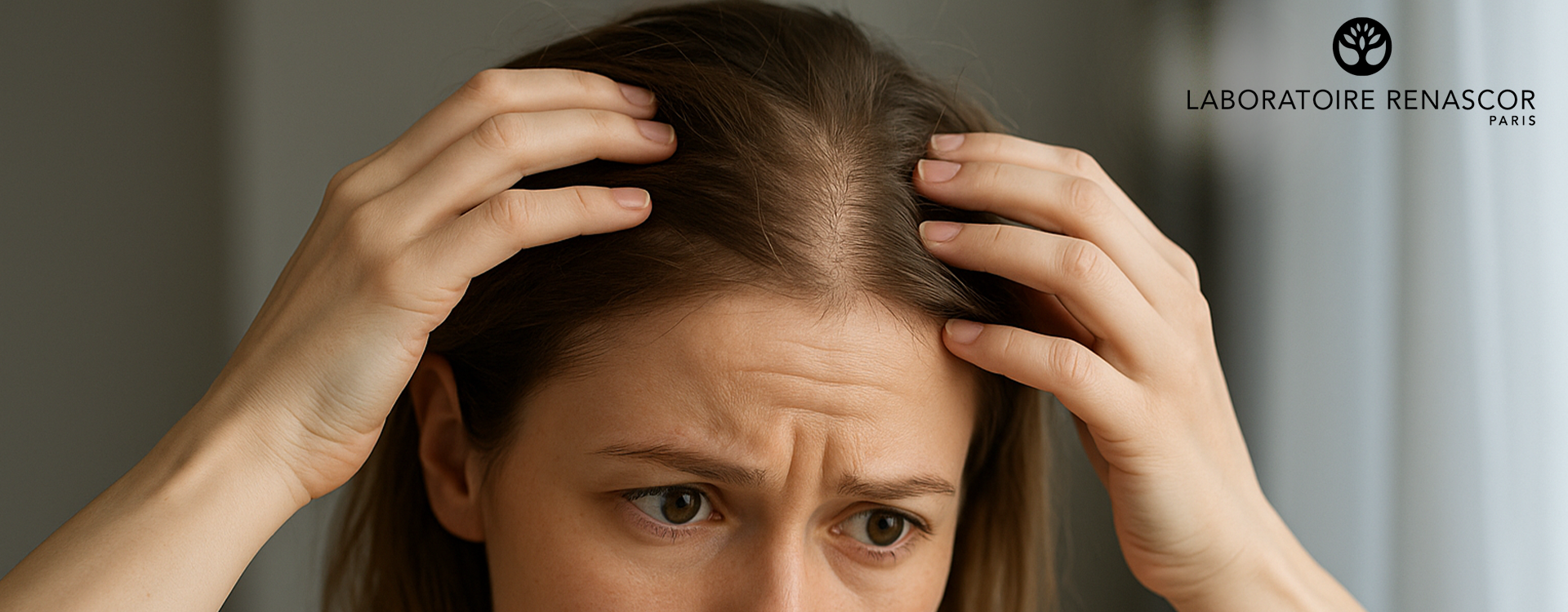
Hair naturally differs in thickness, density and growth-cycle characteristics across different areas of the scalp. Hair at the temples and along the hairline is often finer, so differences between areas can become particularly noticeable after chemotherapy.
At first, new hair may also be finer, softer, curlier or different in texture from the hair present before treatment.
Should you simply wait?
Recovery does take time. However, the period after chemotherapy is also a time when the condition of the scalp and the environment in which the hair follicle functions are especially important.
If hair has started to grow but remains sparse or fine, or if some areas are noticeably behind, it is important to monitor how the situation changes over time.
Support during recovery
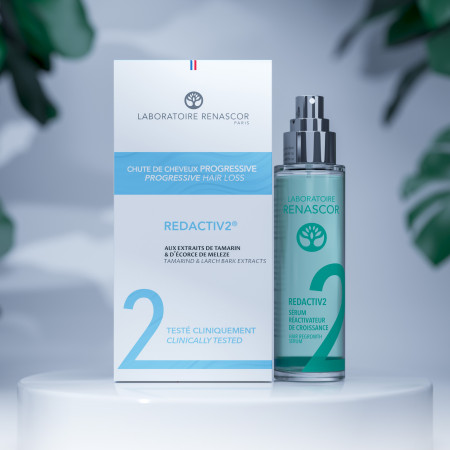
REDACTIV® 1 is a multi-ingredient cosmetic formula developed to care for the scalp and support a favourable hair-follicle microenvironment during hair recovery.
The aim is not simply to wait for the hair to grow longer, but also to pay attention to the conditions in which new hair is forming.