



Itching and tingling after treatment
After chemotherapy, the scalp may itch, tingle or become more sensitive. This may begin immediately after hair loss or later, during hair recovery.
Read article
After chemotherapy, the scalp may itch, tingle or become more sensitive. This may begin immediately after hair loss or later, during hair recovery.
Read article
After chemotherapy, hair can recover very differently across the scalp. Hair at the back of the head may already appear noticeably denser, while the temples and hairline remain sparse. Sometimes, one side may even appear to grow faster…
Read article
The peptide in the REDACTIV® formula
Read article
Working with the DHT pathway
Read article
What types of formulas are there?
Read article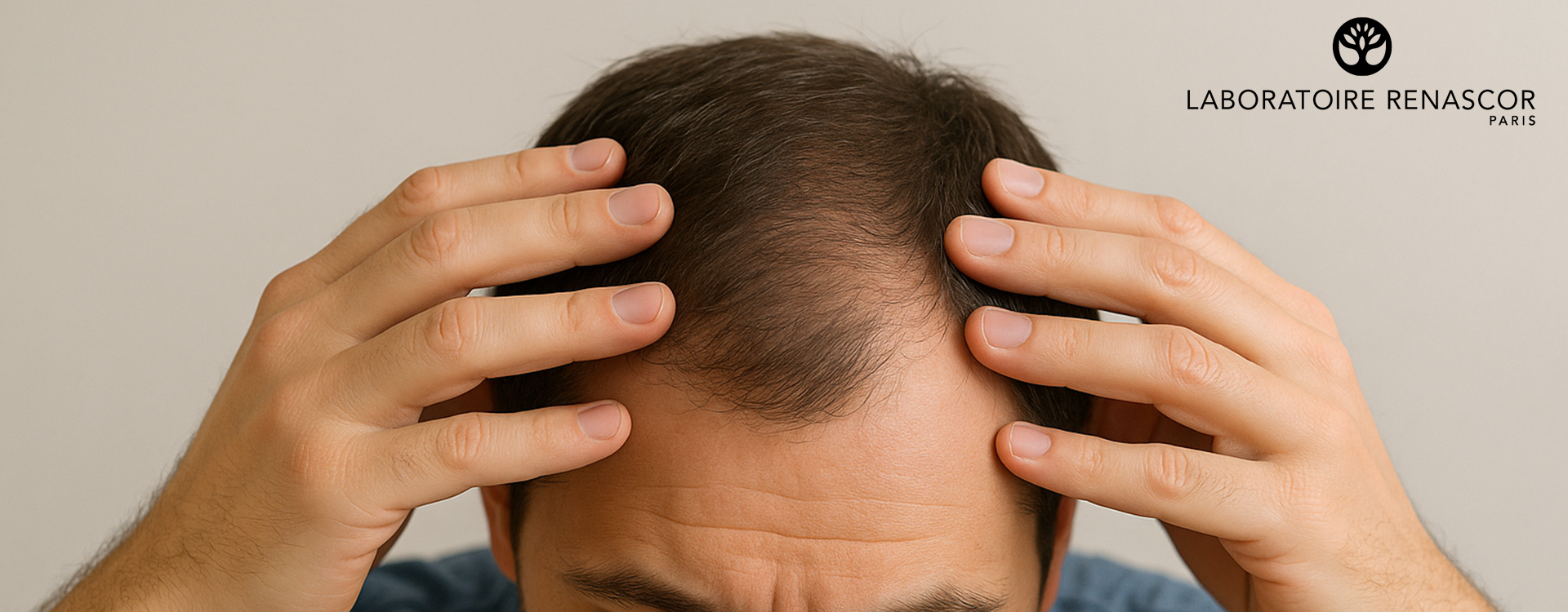
Consulting a specialist at an early stage can help assess the condition of the hair follicles and determine an appropriate care and monitoring strategy.
Read article
Androgenetic alopecia is the most common form of progressive hair thinning in both men and women.
Read article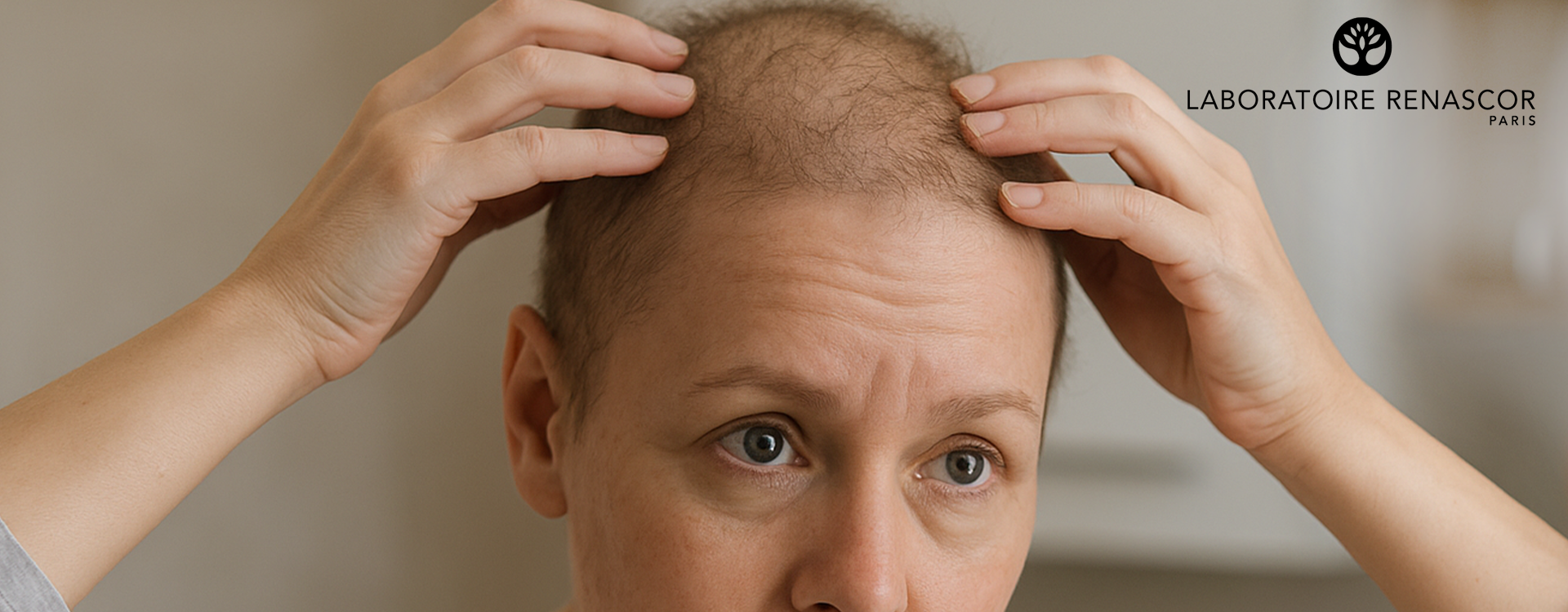
Diffuse hair loss is an even reduction in hair density across the scalp without the formation of distinct bald patches.
Read article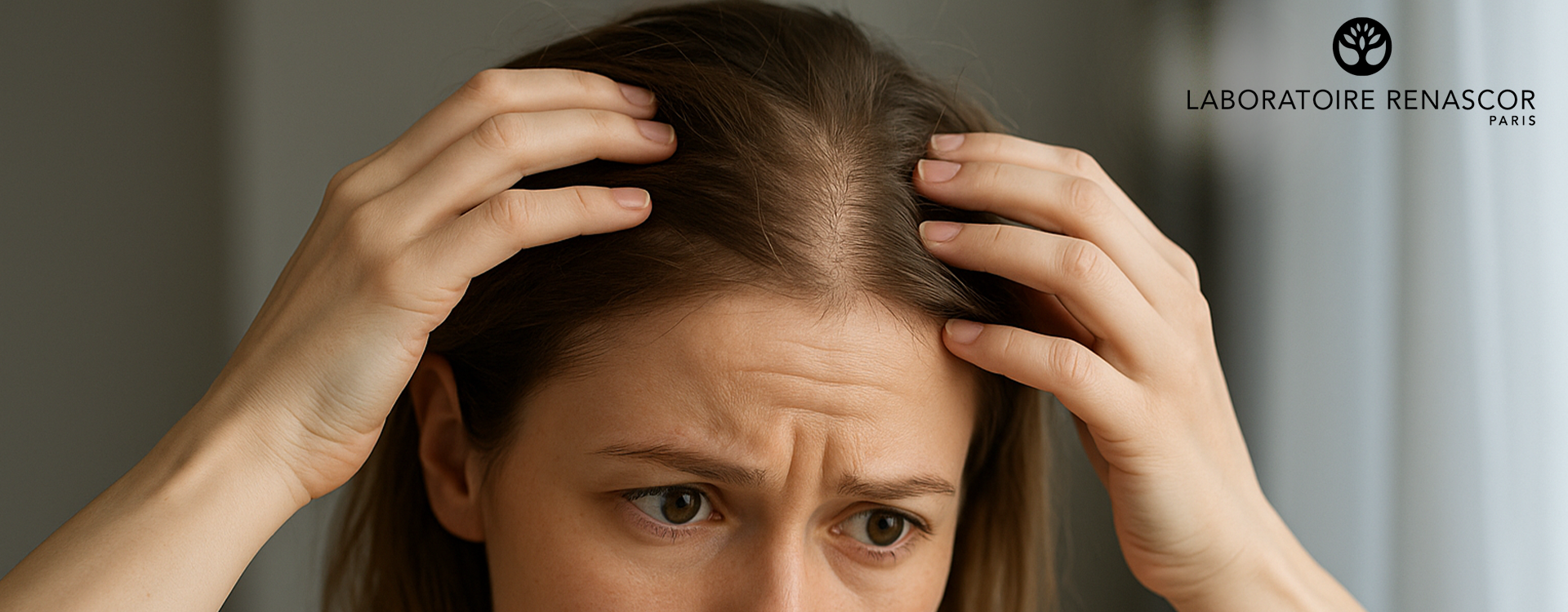
Each hair follows a natural cycle consisting of several stages: growth, rest and renewal. Under normal conditions, these processes remain balanced, but various factors can disrupt the cycle.
Read article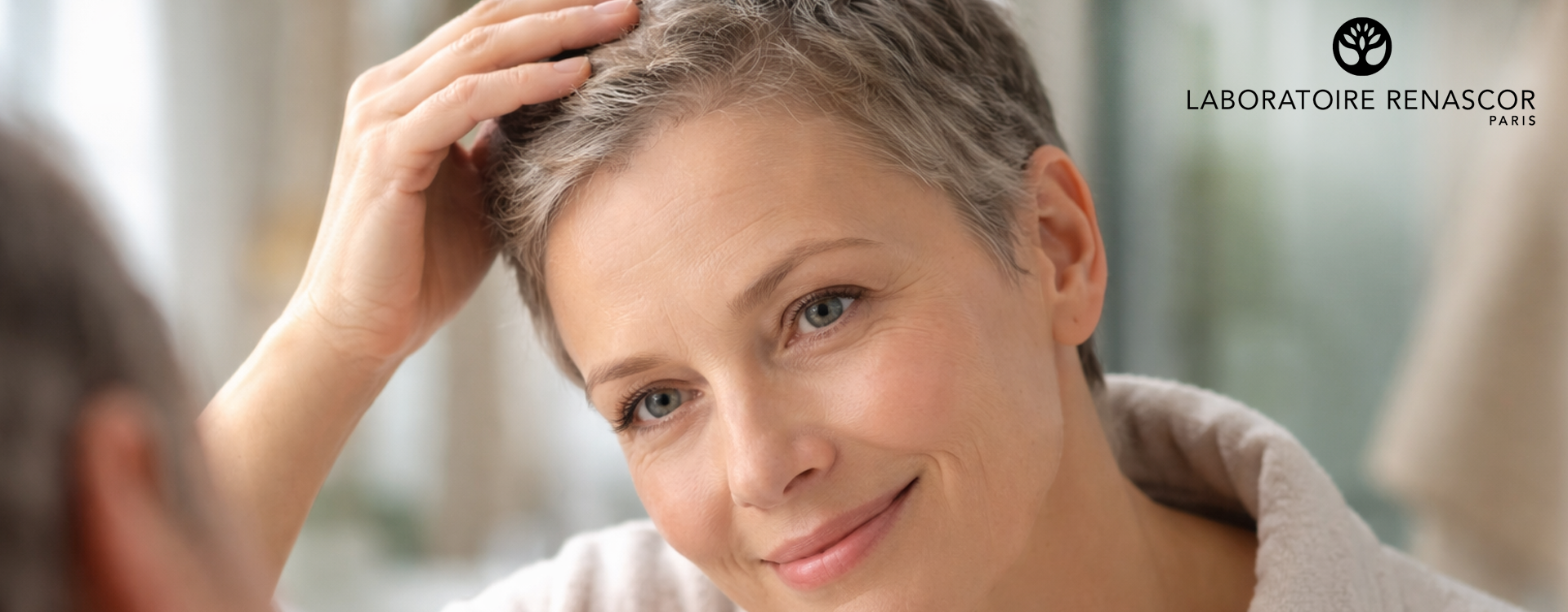
For many years, approaches to hair loss focused primarily on stimulating growth. However, modern understanding of hair-follicle biology shows that hair quality depends not only on the follicle itself, but also on the condition of its…
Read article
RENASCOR® formulas are based on a combination of peptides, antioxidants, amino acids and plant extracts designed to support the quality of the follicular environment and the natural hair-growth cycle.
Read article
Modern approaches to supporting hair increasingly focus not only on the hair itself, but also on its microenvironment—the follicular environment.
Read article